

 es / us
 en / ca

You are permanently removing this notification from your Owner Site Notification Feed.
Do you wish to proceed?
Mopar® High-Mileage Maintenance Checklist for Long-Lasting Performance
Modern FCA US vehicles are engineered for durability — but as your vehicle surpasses 75,000 miles, regular, proactive maintenance becomes increasingly important.
Whether you drive a Dodge Charger, Jeep® Grand Cherokee, Wrangler, or Ram 1500, following a high-mileage maintenance plan can help extend performance, reliability and resale value.
These are general guidelines. Always follow Mopar®-approved intervals within the SERVICING AND MAINTENANCE section, and the specifications within the TECHNICAL SPECIFICATIONS section of your owner’s manual or via the Mopar owner’s manual online.
Why High-Mileage Maintenance Matters
More miles equal more wear and tear. You may need more frequent service if you regularly:
- Drive in stop-and-go city traffic
- Tow or haul heavy loads
- Drive off-road
- Experience extreme temperatures
- Travel on hills or rough terrain
High-Mileage Maintenance Schedule (Quick Reference)
See the quick reference chart below to see when you should check or replace each component and click on any of the components on the left to be taken to that component’s section for more detail.
| Maintenance Item | Check | Replace† |
|---|---|---|
| Engine Oil | Monthly or before a long trip |
Older: 4,000 – 5,000 miles Newer: 7,500, not to exceed 12 mos./10,000 miles |
| Brakes | Every oil change |
Brake pads: 30,000 – 70,000 miles* Brake rotors: every 2nd or 3rd pad replacement Brake fluid: every 2 years |
| Axles |
CV/universal joints: every oil change, annually or 10,000 miles Axle surfaces: 3 yrs./30,000 miles Fluid level: if leakage is suspected |
Regular use: replacement is not recommended Heavy, off-road or frequent towing: 3 yrs./30,000 miles |
| Transmission |
Older vehicles: every 30,000 – 60,000 miles Newer vehicles: not recommended unless leaking |
Older vehicles: 60,000 – 100,000 miles Newer vehicles: not recommended unless leaking |
| Transfer Case (4WD) |
Regular use: 6 yrs./60,000 miles Heavy or off-road use: 3 yrs./30,000 miles |
Older vehicles: 75,000 – 100,000 miles New regular use: 12 yrs./120,000 miles New frequent heavy usage, off-road or towing: every 6 – 7 yrs./60,000 miles – 70,000 miles* |
| Spark Plugs | If you experience: hard starts, rough idle, reduced gas mileage, poor acceleration or engine misfires |
Older: 75,000 – 100,000 miles Newer: 60,000 – 120,000 miles* |
| Tires | Every oil change – rotate at first sign of uneven/irregular wear or a minimum of every 2 yrs./20,000 miles |
Tread depth is 2/32 of an inch or less, or if tires are 6 years old or older |
| Coolant/Hoses | Every oil change, and before long trips |
When protection level is above -36°F/-38°C First: 10 yrs./100,000 miles After: 5 yrs./50,000 miles |
| Shocks & Struts | Annually, every 20,000 miles |
If you experience: excessive bouncing, nose-diving while braking or uneven tire wear, or 10 yrs./100,000 miles |
| Serpentine Belt |
Annually, every 30,000 miles, and/or if you experience: screeching, squealing, chirping or a burning rubber smell |
Older: 6 – 10 yrs./60,000 – 100,000 miles Newer: 10 – 15 yrs./150,000 miles* |
| Battery |
Every oil change and if you experience: slow cranking, dimming/flickering headlights and other electrical issues, telltale warning, or swollen battery case |
Older: 3 – 5 years Newer: 15 yrs./150,000 miles |
†Whichever comes first.
*Check your owner’s manual online as intervals vary by vehicle, engine and driving conditions
Engine Oil Maintenance for High-Mileage Vehicles
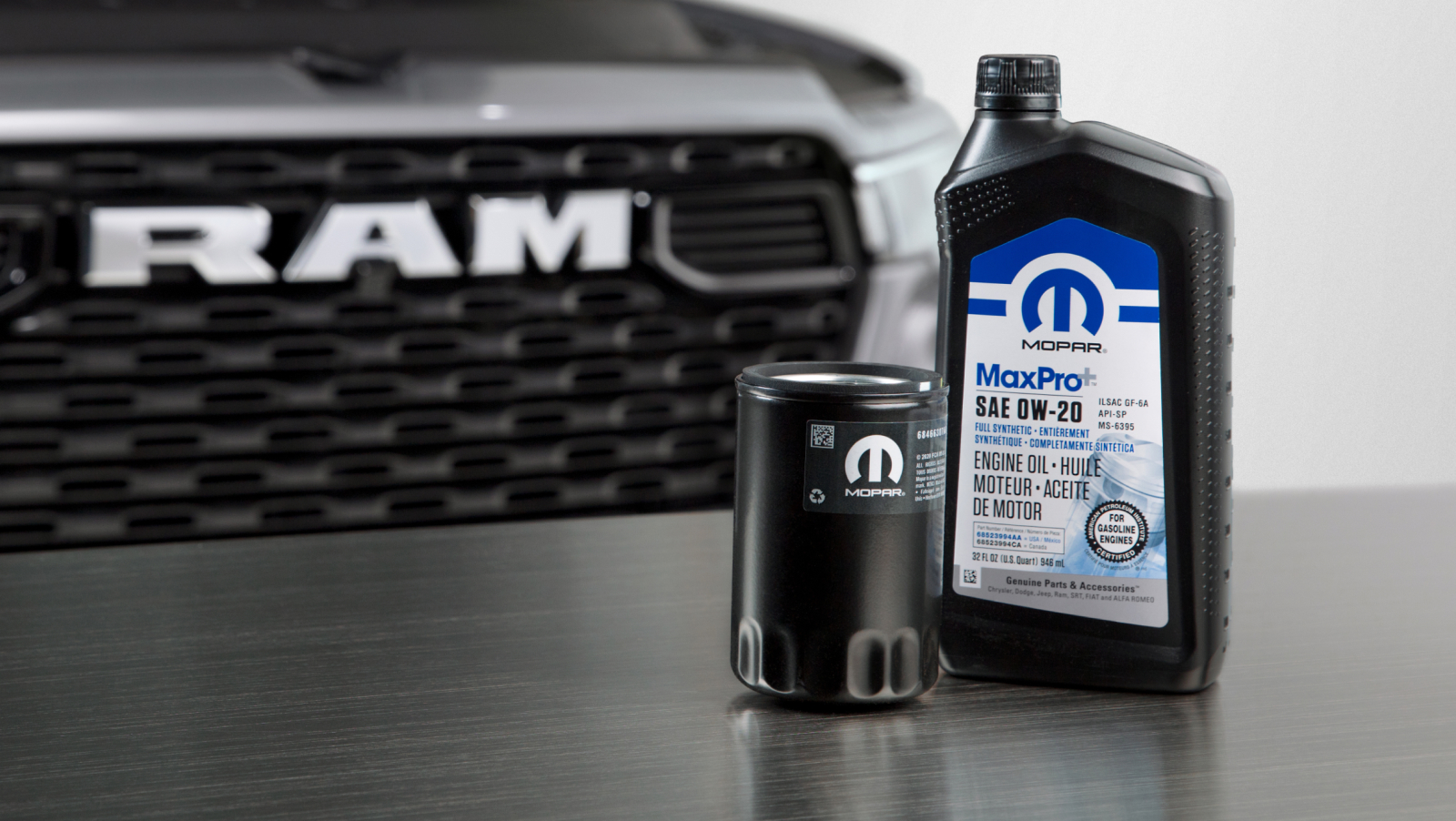
What Does Engine Oil Do?
It is the lifeblood of your engine. Engine oil is essential for:
- Reducing friction and wear
- Preventing carbon and sludge buildup
- Maintaining engine efficiency
Check your oil level monthly or before a long trip. Older, higher-mileage vehicles may need to be changed every 4,000 to 5,000 miles. Extremely higher-mileage engines may burn oil due to worn piston rings, so check oil levels frequently and top off as needed.
Many newer Chrysler, Dodge, Jeep and Ram Brand vehicles are equipped with an oil level gauge and remaining oil life monitor. Most newer vehicles are around 7,500 – 10,000 miles between oil changes.
Best Oil for High-Mileage Vehicles
Use high-mileage synthetic oil, which includes:
- Seal conditioners to reduce leaks
- Detergents to clean sludge
- Better resistance to breakdown
For more information on what engine oil does, how to check your oil and what the viscosity numbers mean, see the How Often Should You Change Your Engine Oil?
For a step-by-step guide to changing your oil, see the Mopar Oil Change Blog
Brake Maintenance: Signs, Intervals and Safety
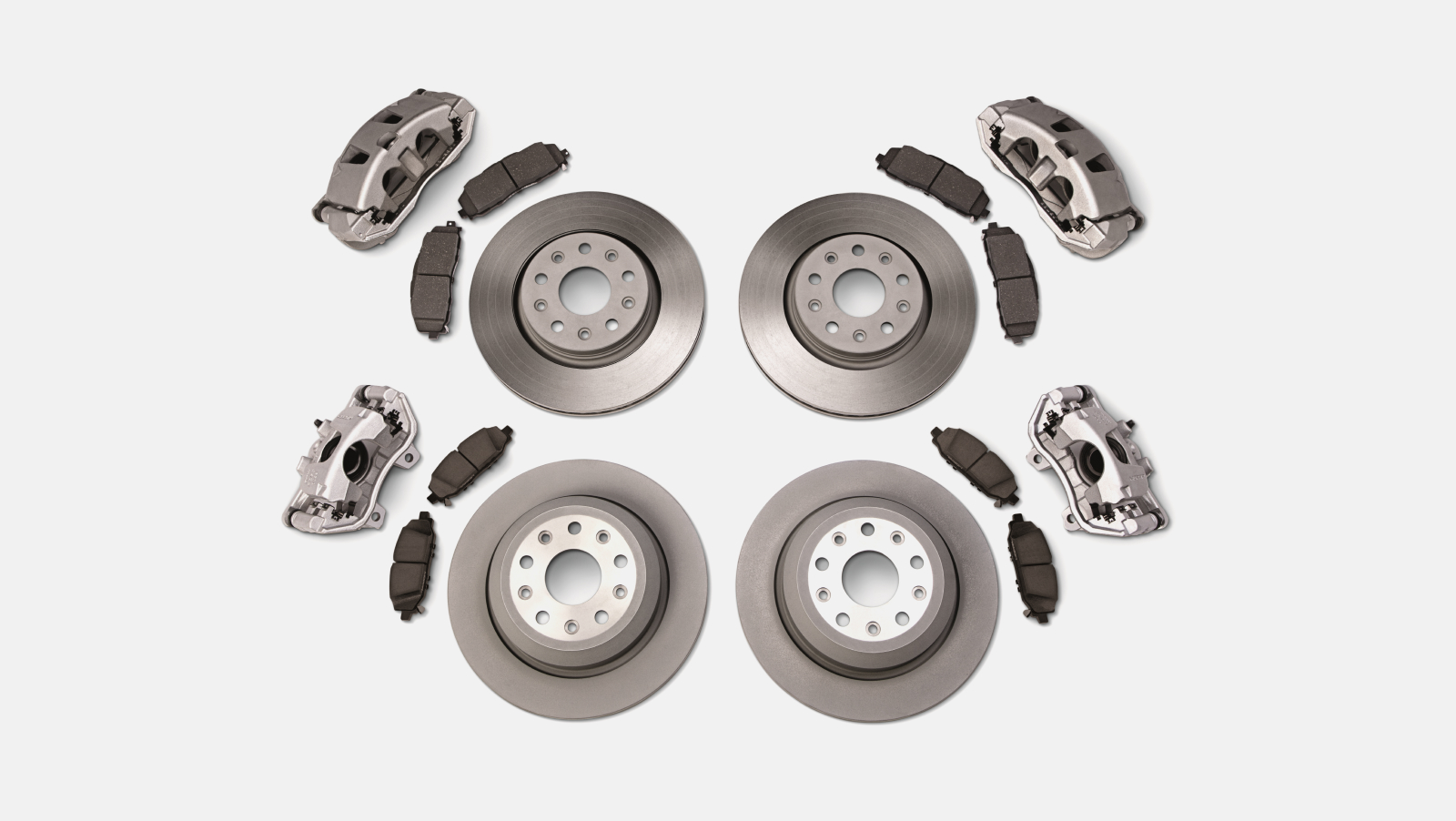
When Should You Replace Brakes?
Replace sooner if you notice:
- Squealing or grinding
- Reduced stopping power
- Vibrations when braking
- Excessive brake pedal travel
What Causes Faster Brake Wear?
- Aggressive driving
- Towing or heavy loads
- Frequent stop-and-go city driving
- Off-road use
How to Check Your Brakes and When to Replace Them
Check with the engine off. Ensure the car is on level ground.
- Brake Fluid
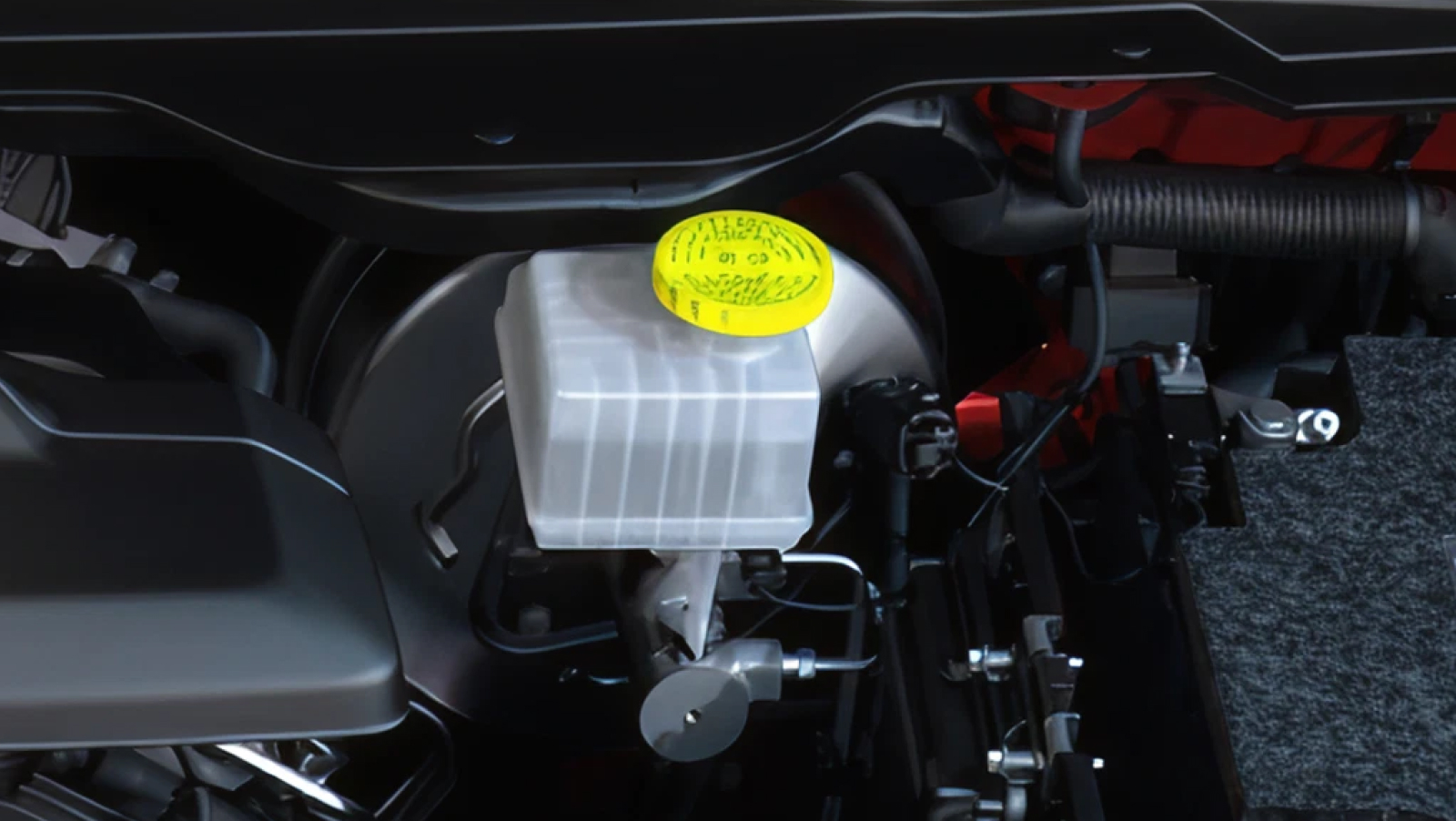
- Find your brake fluid reservoir in your engine compartment
- Check the markings on the side with "MIN/MAX" or "HOT/COLD" lines
- Top off as needed
Warning: Overfilling the brake fluid reservoir can result in spilling brake fluid on hot engine parts, causing the brake fluid to catch fire.
Warning: Brake fluid can also damage painted and vinyl surfaces; care should be taken to avoid its contact with these surfaces.
- With disc brakes, fluid level can fall as the brake pads wear down
- If the brake fluid is abnormally low, check the system for leaks
- Brake fluid level should be checked after pads are replaced
- Top off as needed
- Check the color of your fluid
- It should be clear with a slight hint of yellow or light amber
- If it appears cloudy, dark brown, black or smells burnt, it needs to be replaced
- Use only manufacturer's recommended brake fluid. Using the wrong type of brake fluid can severely damage your brake system and/or impair its performance. The proper type of brake fluid for your vehicle should be identified on the original factory-installed hydraulic master cylinder reservoir, or in your owner’s manual.
- Brake Pads
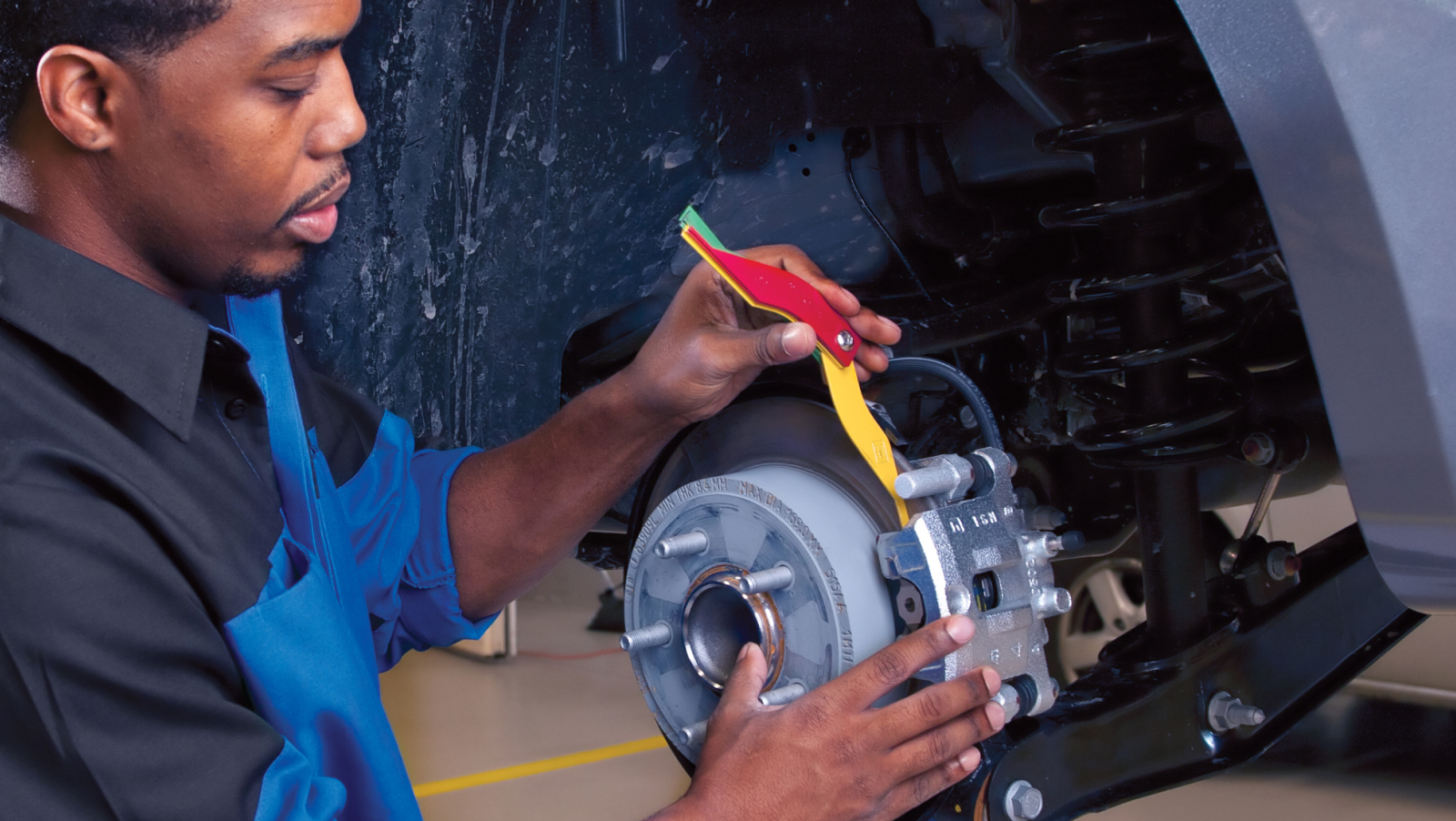
- On certain wheels, you may be able to check through the spokes – for all others, the wheel will need to be removed
- Measure the thickness of the brake pad material (do not include the metal backing plate)
- Make sure to measure the brake pads on both sides of the rotor
- If you have unequal wear on either pad, you may have an issue that should be diagnosed by a qualified technician
- If they are 3mm or ⅛ – ¼ inches thick, they should be replaced
- If your vehicle comes with electronic break wear indicators, electronic sensors will trigger a dedicated warning light on the instrument cluster
- If your vehicle comes with mechanical brake wear indicators, these small metal tabs will contact your brake rotor making a high-pitched squealing sound when the pads reach 2 – 3mm
- Pro Tip: don’t wait too long or you risk turning a less-expensive brake pad replacement into a more-expensive rotor and brake pad replacement
- Calipers
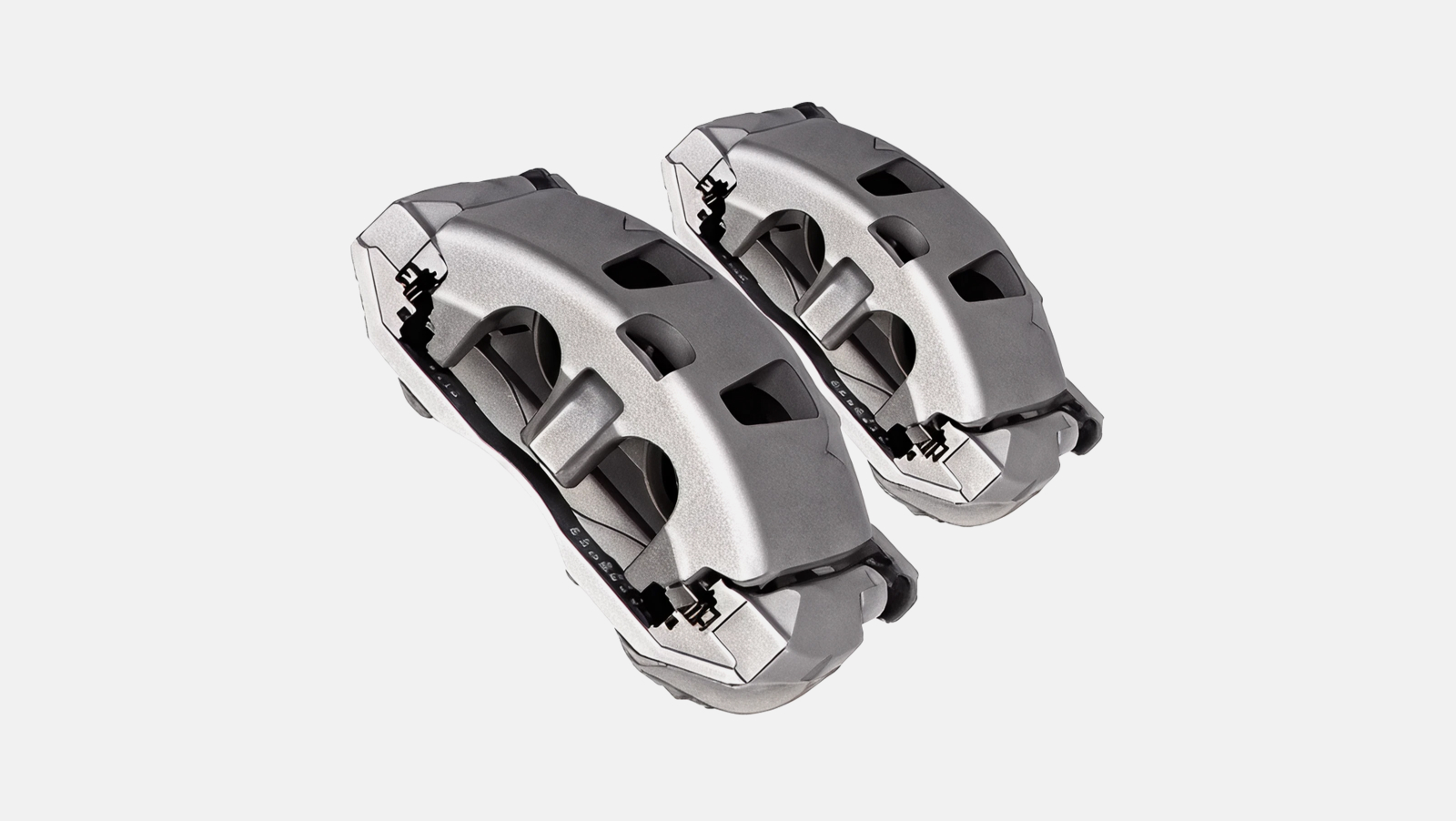
- Remove the wheels and check for leaks around the brake pistons, brake line and bleeder valve
- Inspect the brake pad while someone else depresses and releases the brake pedal
- The brake pad should extend and retract slightly
- If it does not move, it may be seized within the caliper
- Another way to test this is to raise the car with the wheels on, parking brake off and spin each wheel – if a wheel doesn’t spin freely or stops, this may be a sign of a stuck caliper or warped rotor
- Inspect the slide pins
- If they are seized, the pad won’t release
- If one pin is seized, the pad won’t release either from the top or bottom and cause uneven pad wear
- If any rubber slide pin boots are torn, those slide pins should be replaced
- Rotors
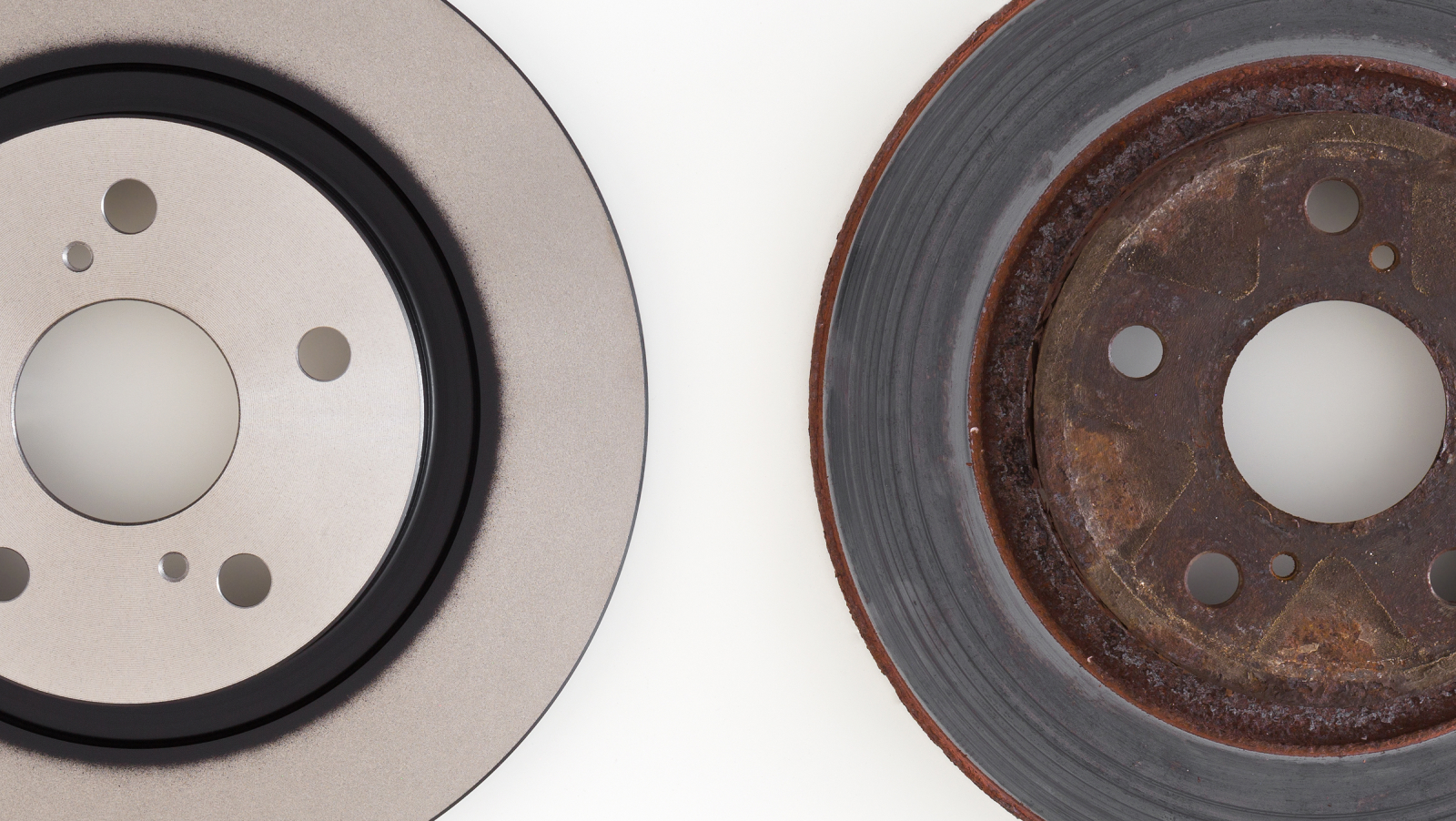
- Remove the wheels and inspect the rotors
- If there are grooves, cracks extending to the edge, uneven wear or an excessive lip on the outer edge, they are worn down and should be replaced
- If your steering wheel shakes, or you experience a vibration from the rear when braking, you may have warped rotors – depending on how worn down they are, they may need to be replaced or “turned” on a lathe to remove the warping
Transmission Maintenance for Long-Term Reliability
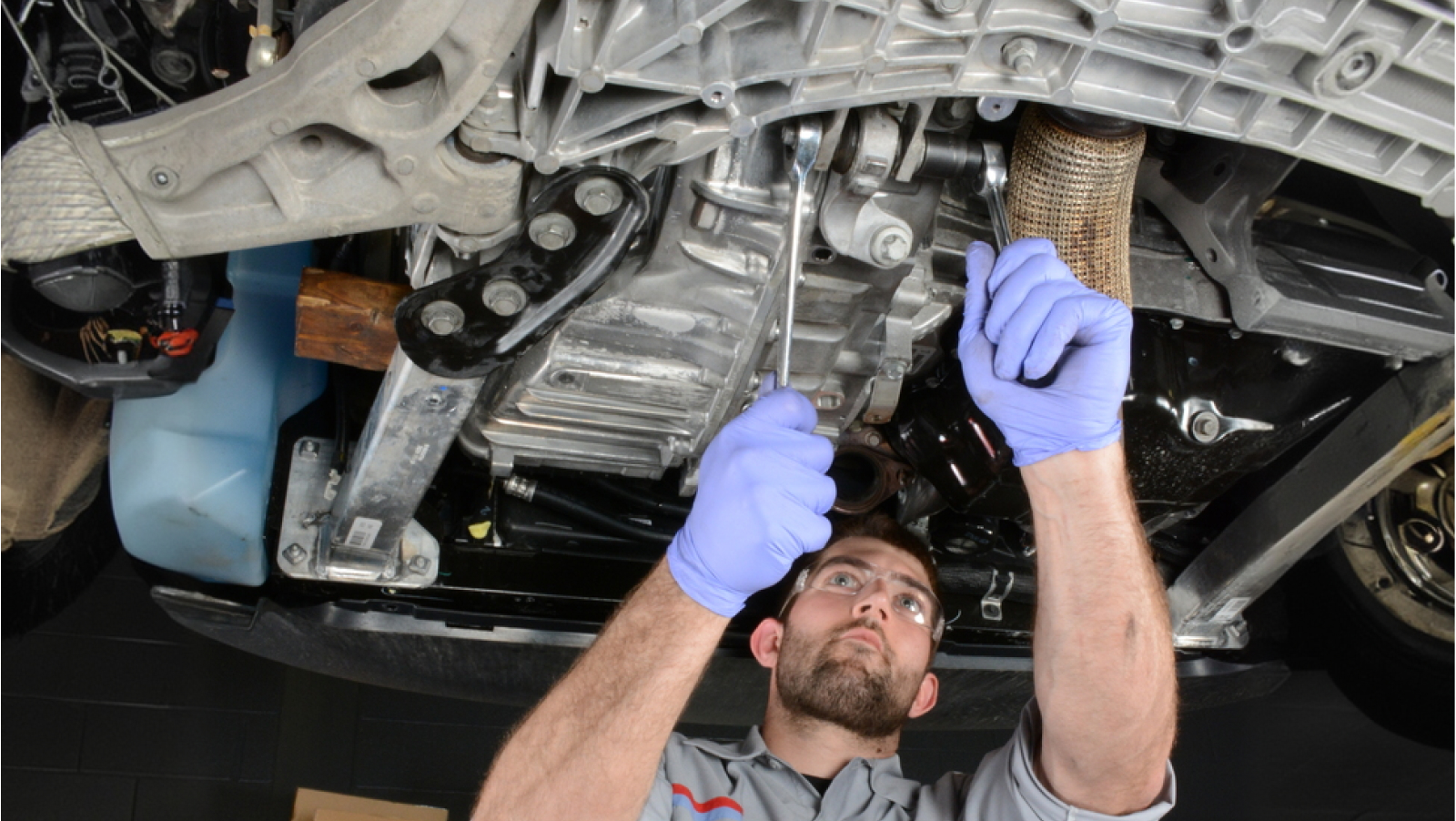
Do High-Mileage Vehicles Need Transmission Service?
- Older vehicles: check every 30,000 – 60,000 miles / replace 60,000 – 100,000 miles
- Newer vehicles: typically, sealed systems, not recommended unless there are signs of leaks
Your transmission changes gears to operate the vehicle efficiently. When accelerating or driving uphill, it will hold a lower gear to maximize torque. When driving at highway speed, it will select the highest gear to maximize fuel economy.
What Are Signs You Need to Replace Your Transmission Fluid?
- Engine telltale warning light on your instrument panel
- Rough/slow shifting or slipping gears
- High RPMs (and engine noise) without increasing speed or shifting
- Whining, buzzing or grinding noise while driving or idling
- Burnt smell from the transmission
- Reddish-brown drips found under the vehicle
- Dark, brown or black fluid
Axles and Drivetrain: What to Watch For
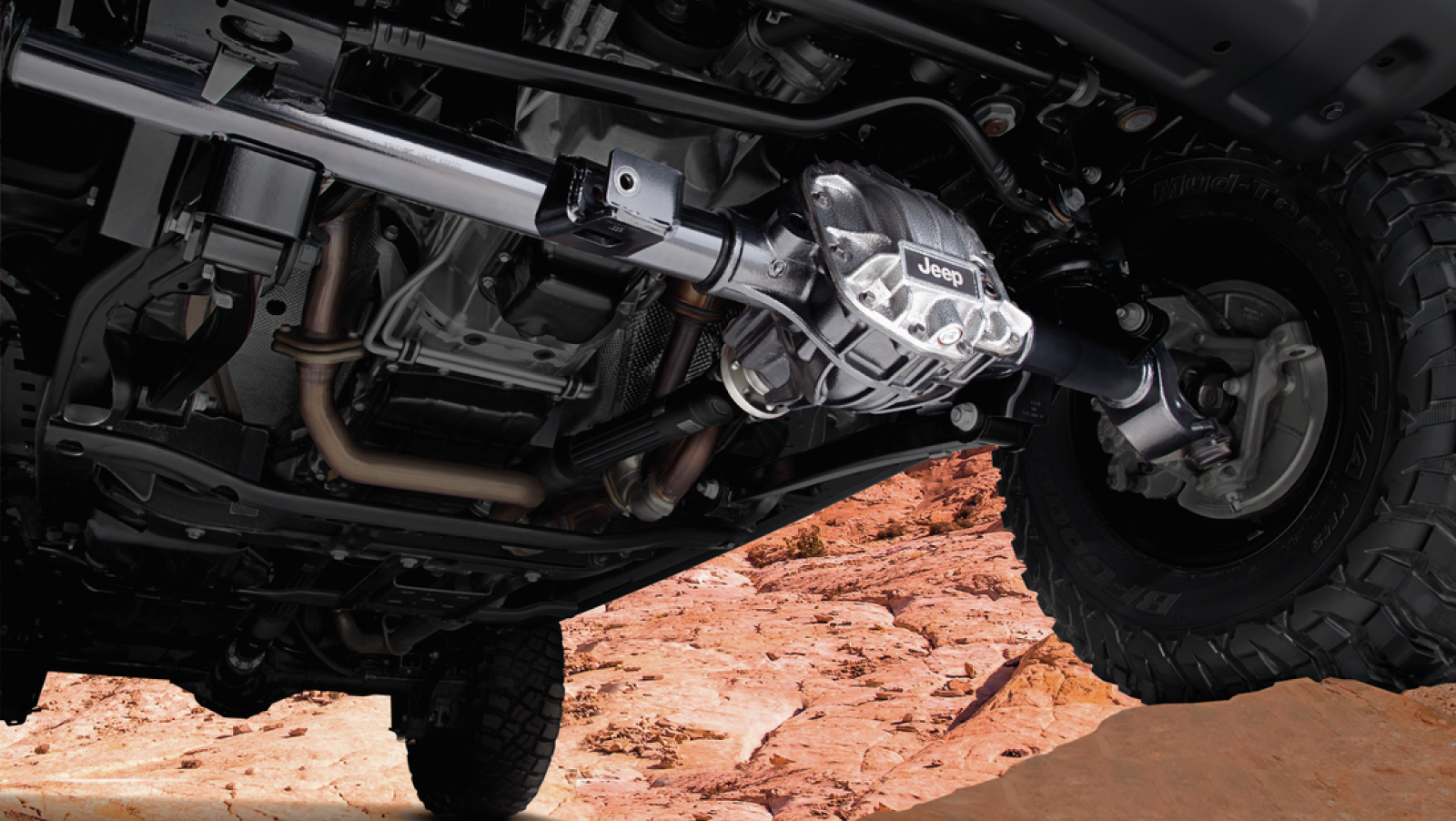
When Should I Check My Axles?
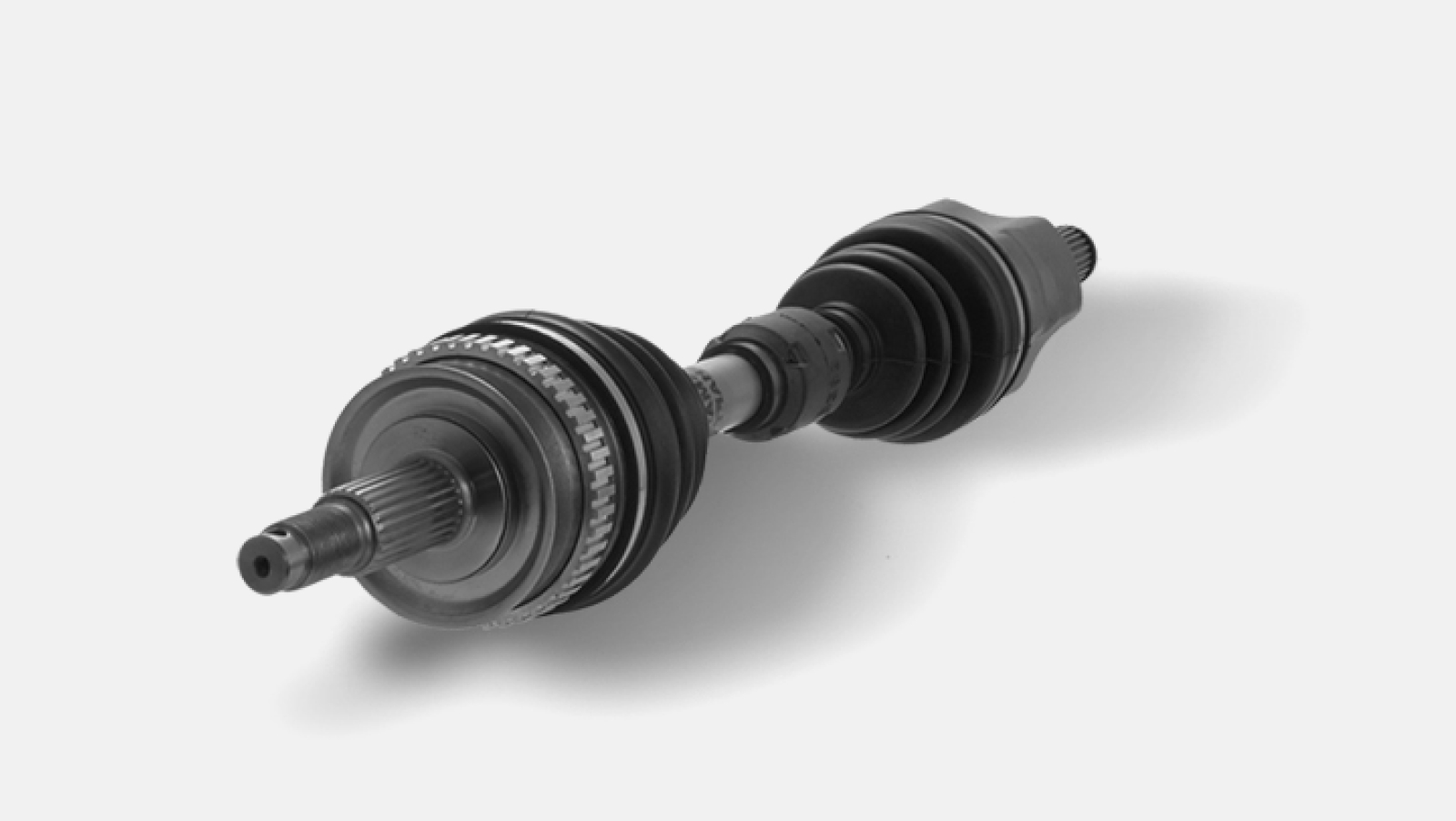
Maintenance Tips:
- Inspect boots monthly and before a long trip
- Check joints every 10,000 miles
- Inspect axle surfaces every 3 years/30,000 miles for signs of gear oil leakage and check the fluid level
- If you suspect a leak, make sure the vehicle is on level ground, remove the upper differential fill plug (not the lower drain plug) – the fluid level should be even with the bottom edge of the filler hole
Your axles transfer torque from your engine to your drive wheels and tires. Torn boots will allow rocks, dirt and sand to get into your joints, which will grind down the materials. Leaks will cause a loss of lubricants. Both will cause friction, heat and eventually failure.
What Are Signs You Need to Replace Your Differential Fluid or Axle?
- Ripped or torn boots
- Clicking or popping when turning
- Grease leaks or splatter within the wheel, tire and suspension components
- Vibrations or shaking steering wheel, which typically increases as you increase your speed
- Clunking noise when accelerating, decelerating or shifting into drive or reverse
Transfer Case Maintenance (4WD & AWD Vehicles)
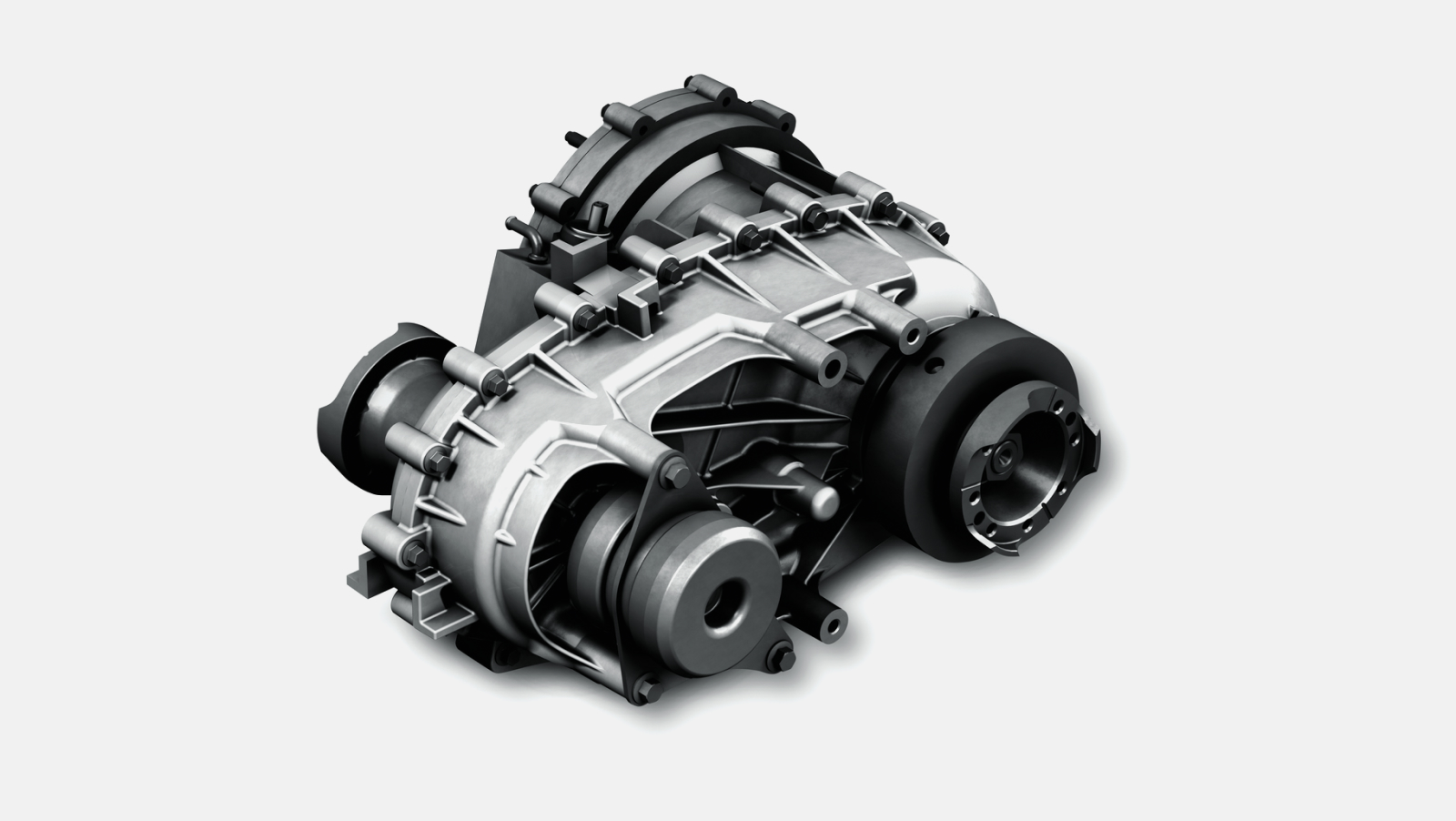
When Should I Check My Transfer Case?
- Regular use: 6 yrs./60,000 miles.
- Frequent trailer towing, heavy or off-road use: inspect the transfer case fluid every 3 years/30,000 miles
- If you suspect a leak, make sure the vehicle is on level ground, remove the fluid fill plug (not the lower drain plug) – the fluid level should be even with the bottom edge of the filler hole
If you have a 4-wheel drive or all-wheel drive, your transfer case transfers torque from your engine to the front or back depending on which normally drives your vehicle. If your vehicle is normally rear-wheel drive, the transfer case will transfer torque to the front and vice-versa.
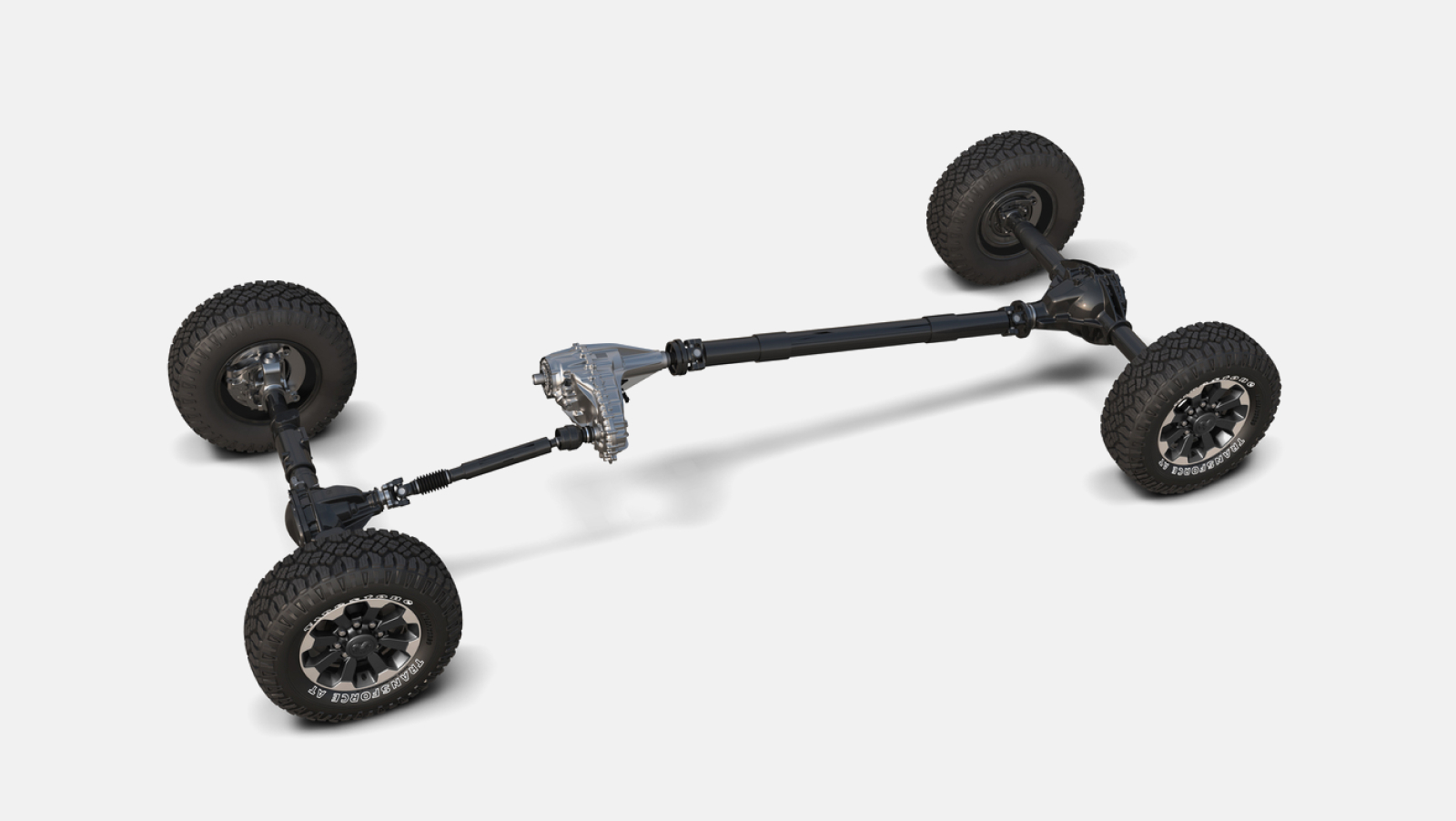
What Are Signs You Need to Replace Your Transfer Case Fluid or Transfer Case?
- Difficulty shifting into, or out of, 4WD
- Grinding, whining or a burnt smell from the transfer case
- Dark, milky or dirty appearance of the fluid
When Should I Replace My Transfer Case Fluid?
- Older vehicle: 75,000 – 100,000 miles
- Newer vehicle with regular use: 12 yrs./120,000 miles
- Frequent trailer towing, heavy or off-road use: 6 – 7 years/60,000 – 70,000 miles
Spark Plugs
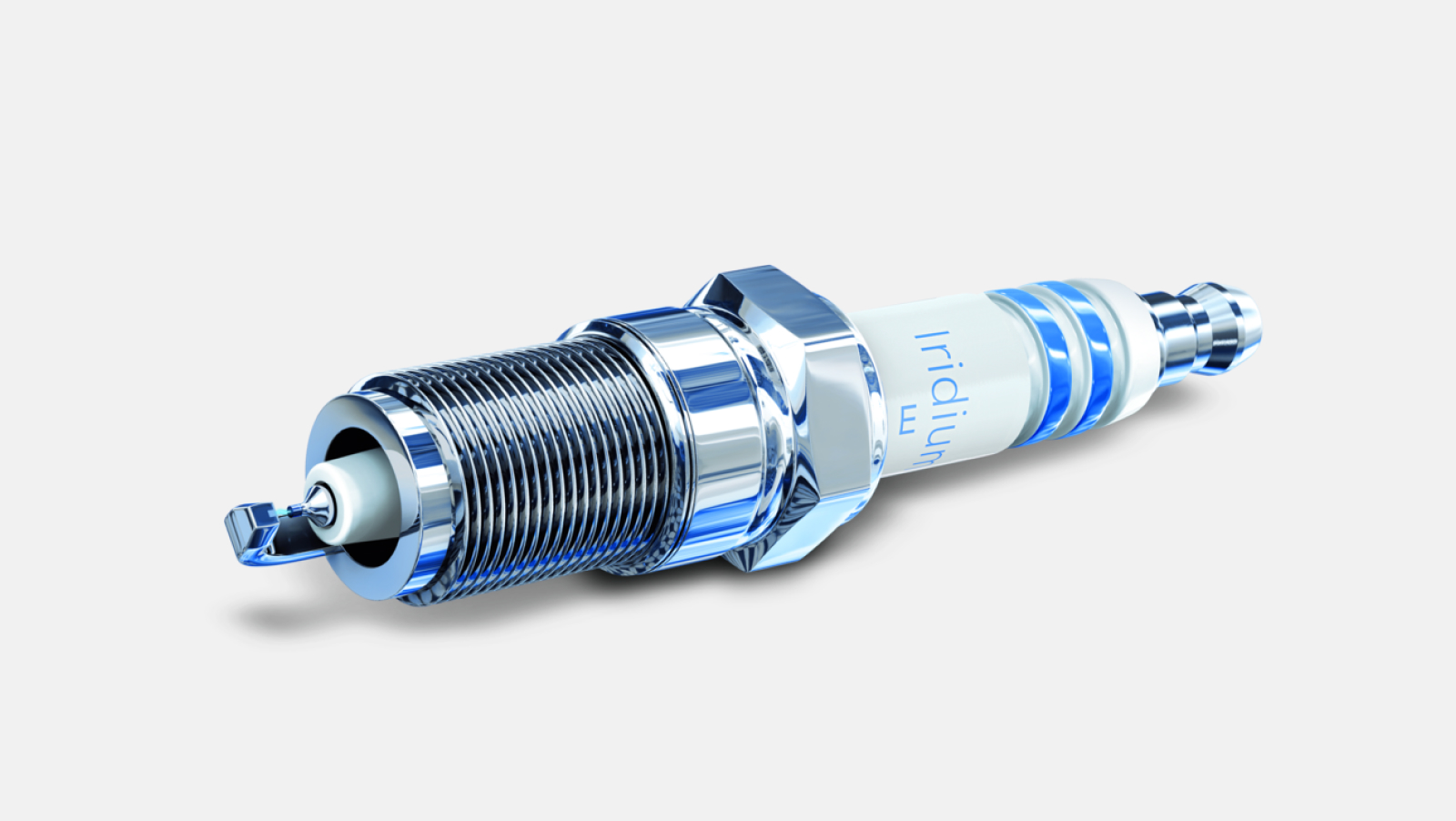
When Should I Check My Spark Plugs?
This depends on your vehicle, engine and driving conditions. Some smaller, turbocharged engines recommend replacing spark plugs at 60,000 miles, while larger engines recommend replacing at 100,000 – 120,000 miles. Check the Technical Specifications section of your owner’s manual.
Common Causes of Shortened Spark Plug Life:
- Extreme high temperatures
- Overloading vehicle (payload and/or trailer)
- Worn valves and/or piston rings
- Extending/ignoring recommended oil and/or air filter change intervals
- Frequent short trips
- Idling for long periods
- Using low quality/conventional oil or fuel
- Incorrect spark plugs
Symptoms of Bad or Fouled Spark Plugs May Include:
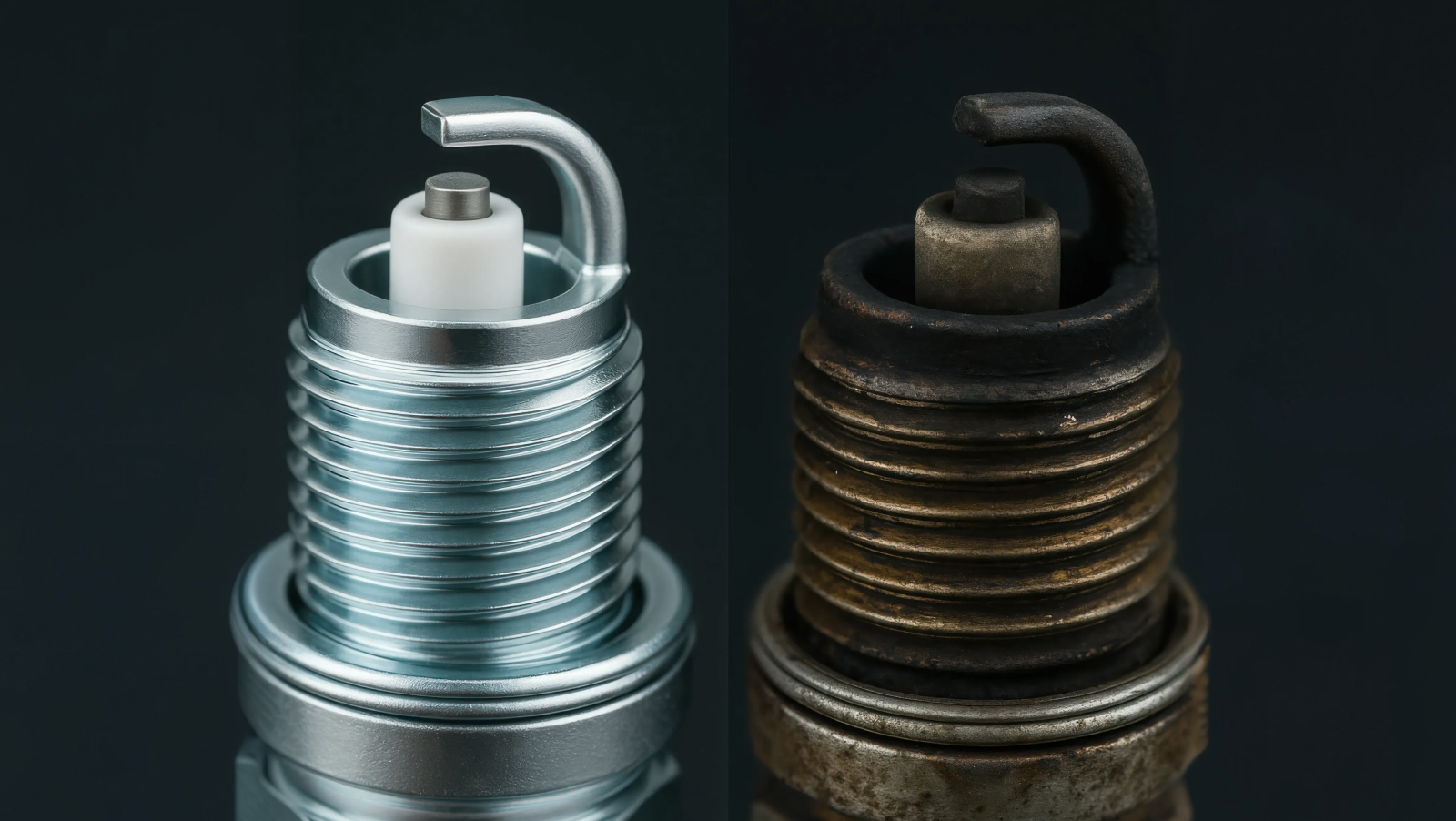
- Hard starts
- Rough idle
- Reduced gas mileage
- Poor acceleration
- Engine misfires
Tires
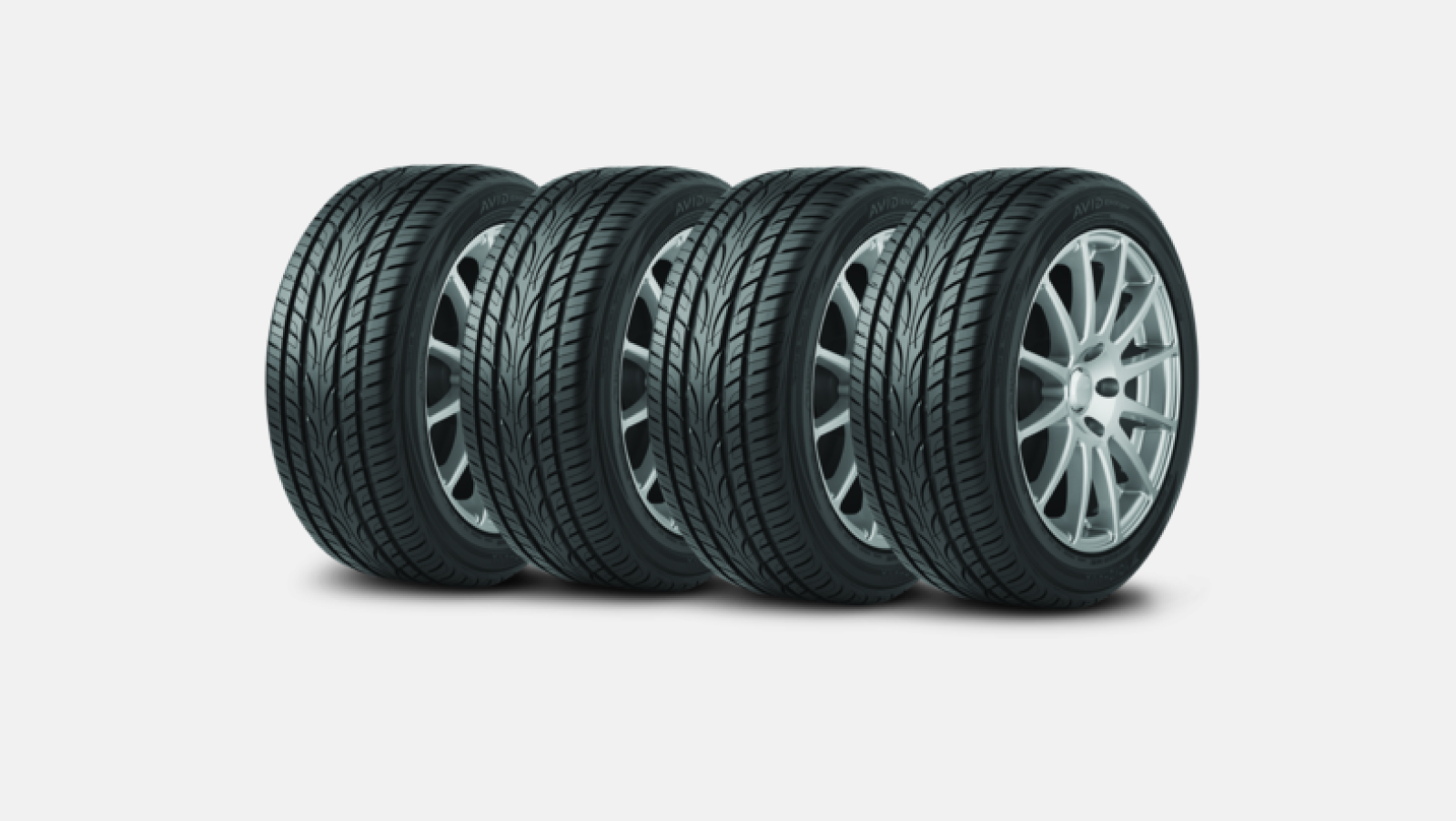
How Long Should Tires Last?
Chrysler, Dodge, Jeep or Ram Brand vehicle tires will typically last 30,000 – 50,000 miles depending on how they’ve been driven and maintained. High-performance models with summer tires with more grip will wear out quicker, whereas all-season tires will last longer.
If the tire is 6 – 9 years old, you should inspect them regularly for cracks, bulges or degradation. Tires begin degrading after five years from dry rot. Check the code on the sidewall that starts with DOT. The last four digits indicate the week and year they were manufactured (0126 = first week of January 2026). Tires 6 years or older should be replaced.
How to Extend Tire Life
- Maintain proper tire air pressure
- Check air pressure at least monthly when tires haven’t been driven on for at least three hours (“cold tire inflation pressure”)
- Your tire placard can be found in the driver’s side door jam, or on the door, which includes the proper tire pressure for your tires and spare
- Recently driven tires will be hotter, causing tire pressure to be up to 4 psi higher than when cold
- Every 12 degrees Fahrenheit will change tire pressure by 1 pound per square inch (psi)
- This is why newer vehicles with tire pressure monitor systems (TPMS) may send more alerts in the fall and spring as temperatures change
- Rotate your tires at each oil change, every 10,000 miles or at the first sign of irregular wear using the pattern below
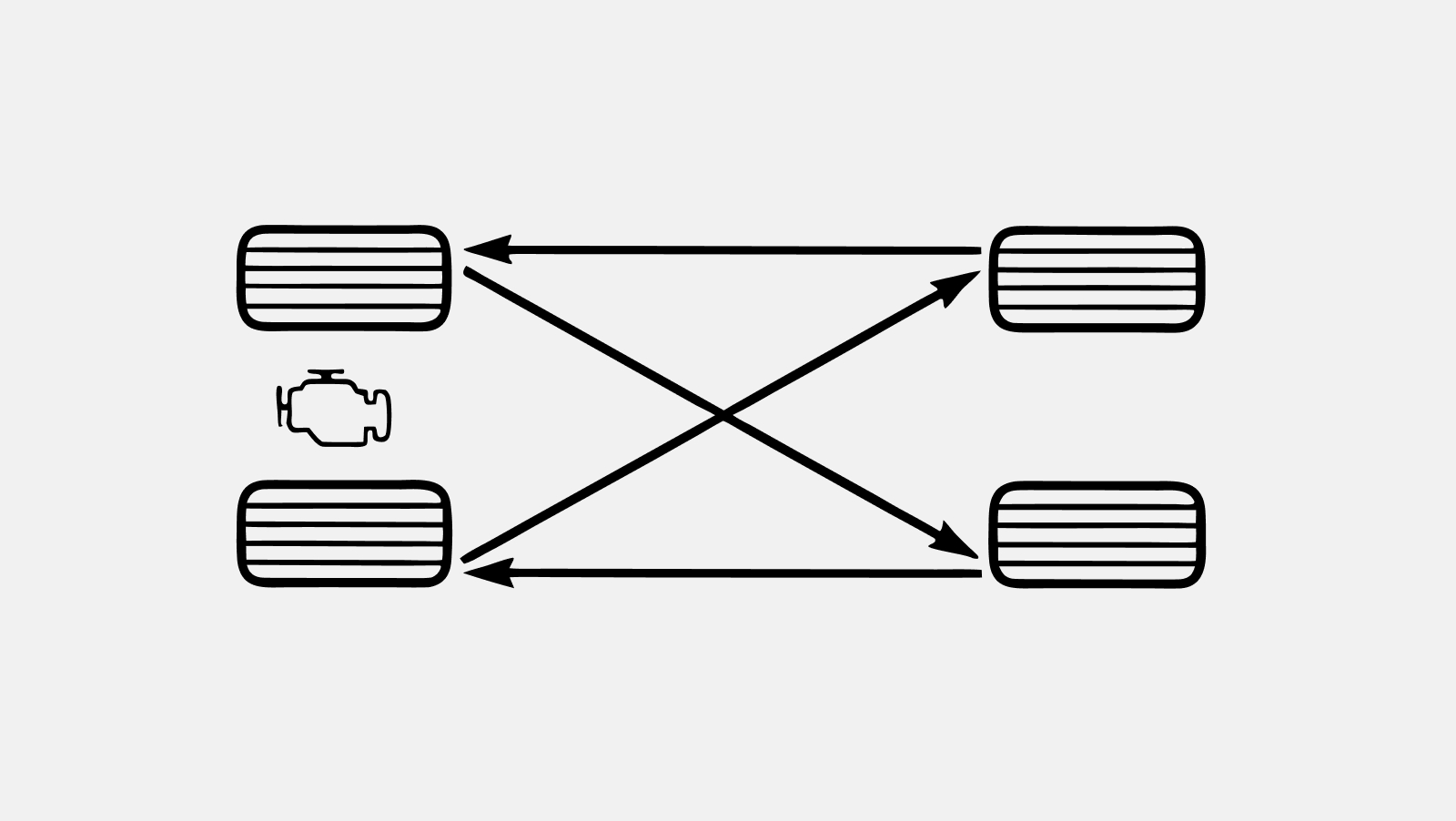
- If you have directional tires (they can only spin in one direction), you may only rotate front and back and not switch sides
- If you have different sized front and back tires, you may only rotate from side to side
- Have 4-wheel alignment if you experience the vehicle pulling to one side, the steering wheel is off center, you notice uneven tire wear or you frequently drive off-road, on rough roads, hit curbs and/or potholes
- Only use tires in the proper season: snow tires in winter and summer tires in summer
How Can I Check My Tires and When Should I Replace Them?
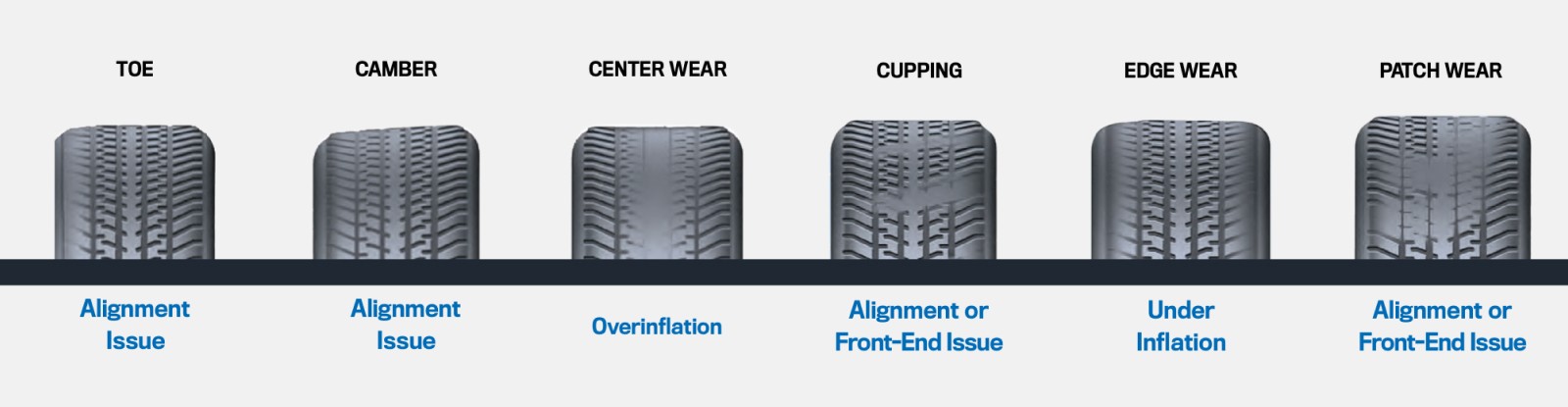
- First, inspect the outside of the tires – any sidewall damage such as a tear, puncture or bulge will eventually cause the sidewall to fail, leaving you stranded
- If the tires are causing a vibration and/or wearing out unevenly – see examples below
- Check the tread-wear indicators built into tires between the treads – if they are even with the tread, it’s time to replace the tires
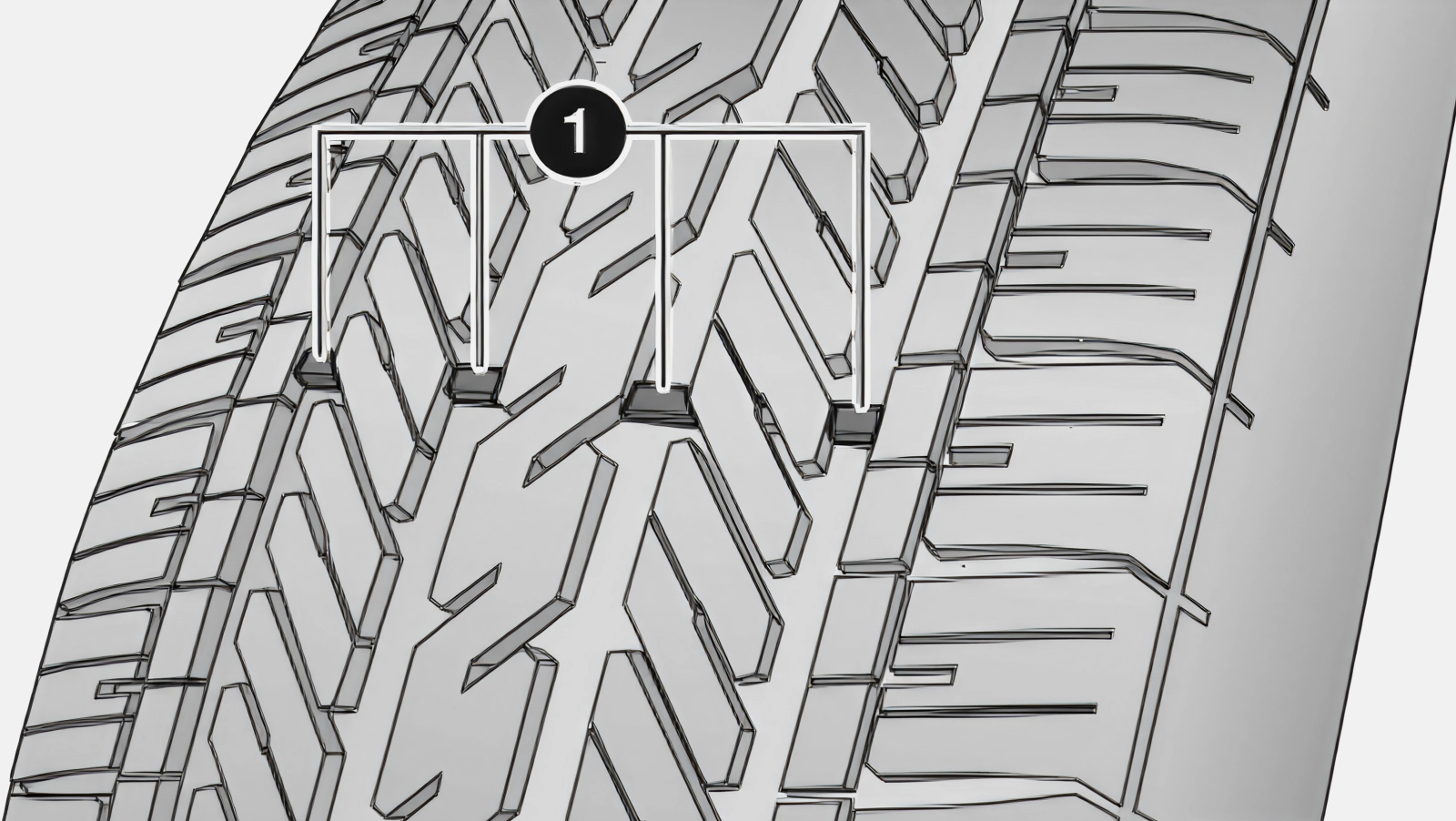
- Check the tread depth – if it’s 2/32 of an inch or less, it’s time to replace them
For more information on tires and to use the Mopar Tire Finder
Coolant/Antifreeze
Why Coolant/Antifreeze Matters
Coolant, also known as antifreeze, circulates through your engine to:
- Prevent overheating
- Protect against corrosion
- Support heater performance
Coolant within modern Chrysler, Dodge, Jeep and Ram Brand vehicles should last 10 years or 150,000 miles from the factory but can vary based on your driving conditions. Subsequent flushes should generally occur every 5 years or 100,000 miles.
How Often Should I Check the Coolant?
It is recommended to check the coolant every 12 months and before long trips.
How to Check Your Coolant Level and Hoses
You or others can be badly burned by hot engine coolant or steam from your radiator.
Never open a cooling system pressure cap when the radiator or coolant bottle is hot.
Coolant Level
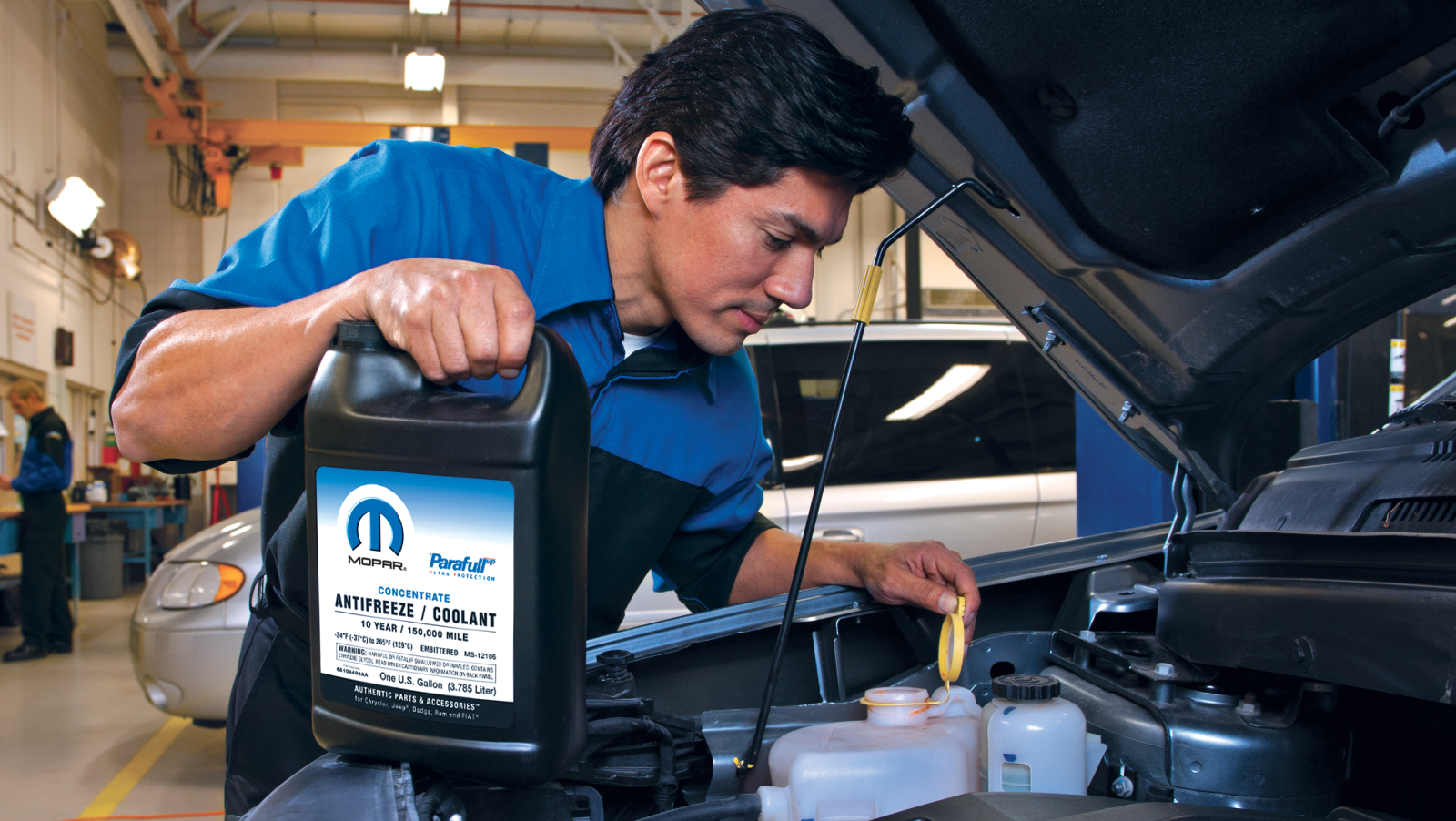
- Find your semi-translucent coolant overflow reservoir within in the engine bay
- Look at the indicator on the side
- The level should be between the “MIN” and “MAX” lines
- It is critical to add the correct fluid
- Check the Technical Specifications section of your owner’s manual to find the correct type and mixture with water
- Older vehicles may use propylene glycol-based engine coolant
- Newer vehicles may use an improved engine coolant (OAT coolant conforming to MS.90032)
Checking Hoses
- If your vehicle is low on fluid, it may be an indication of a leak somewhere in the system
- Check hoses for brittle rubber, cracking, tears, cuts and tightness of the connection at the coolant recovery bottle and radiator
- If you see any of these, the hose(s) need to be replaced
How to Check the Strength of Your Coolant
Coolant Strength
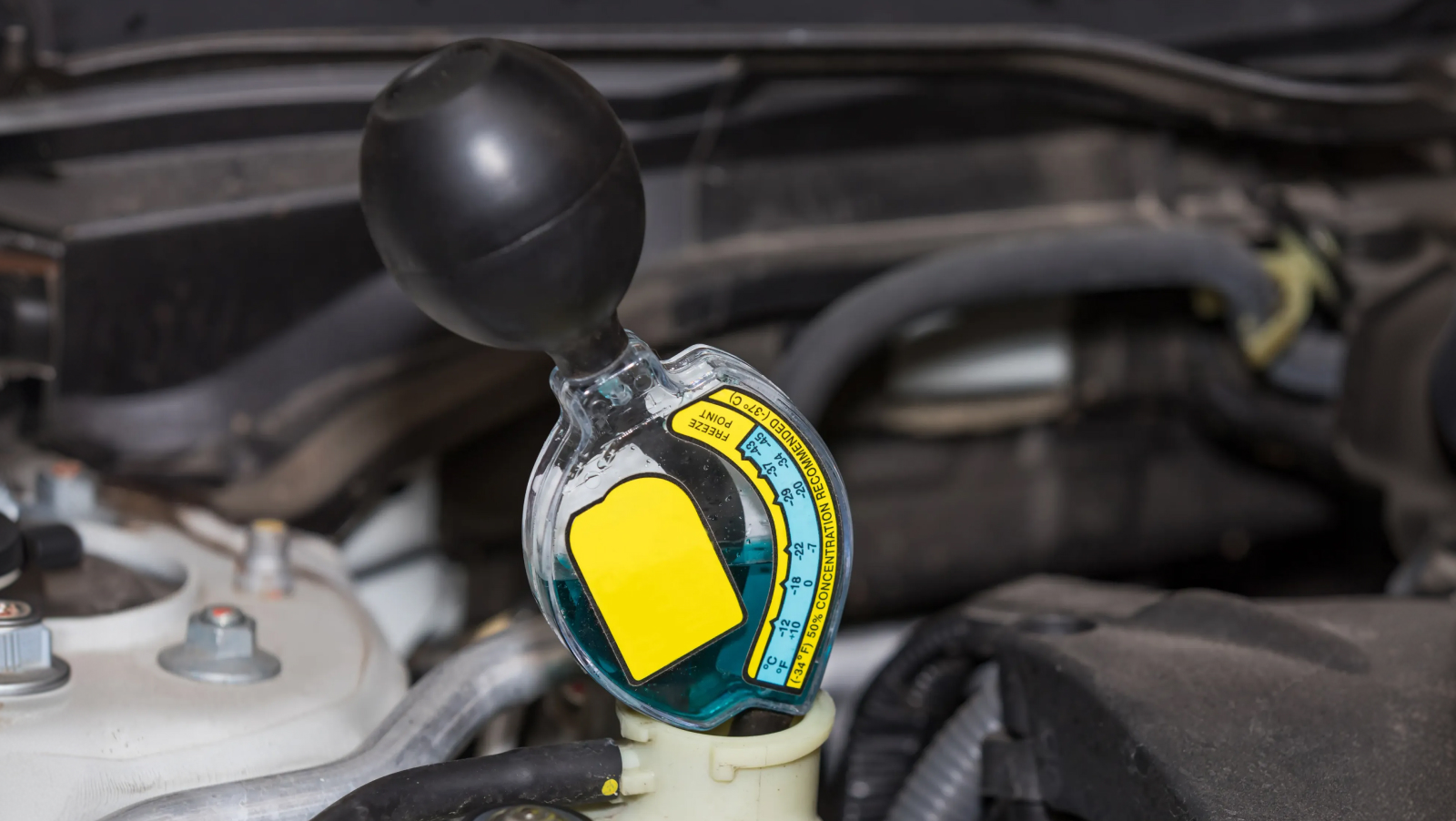
- Unscrew the coolant reservoir cap when the engine is cool
- Insert the tube of a coolant hydrometer (either a floating ball or pointer-type tester) into the fluid within the reservoir
- Squeeze the hydrometer bulb and release it to suction the fluid into the hydrometer
- For a floating ball hydrometer, count the number of balls floating to the top of the fluid and refer to the markings on the side to see how low of a temperature it will provide protection
- For a pointer-type hydrometer, the process is similar – simply look at the pointer within the hydrometer against the markings on the side to read how low of a temperature it will provide protection
When Should the Coolant Be Replaced?
- When the protection level is above -36°F/-38°C
- Some newer vehicles require special tools to add coolant properly
- Failure to fill these systems properly could lead to severe internal engine damage
- Contact your local Chrysler, Dodge, Jeep or Ram dealer to schedule an appointment to have a factory-trained Mopar technician do this for you
Shocks & Struts
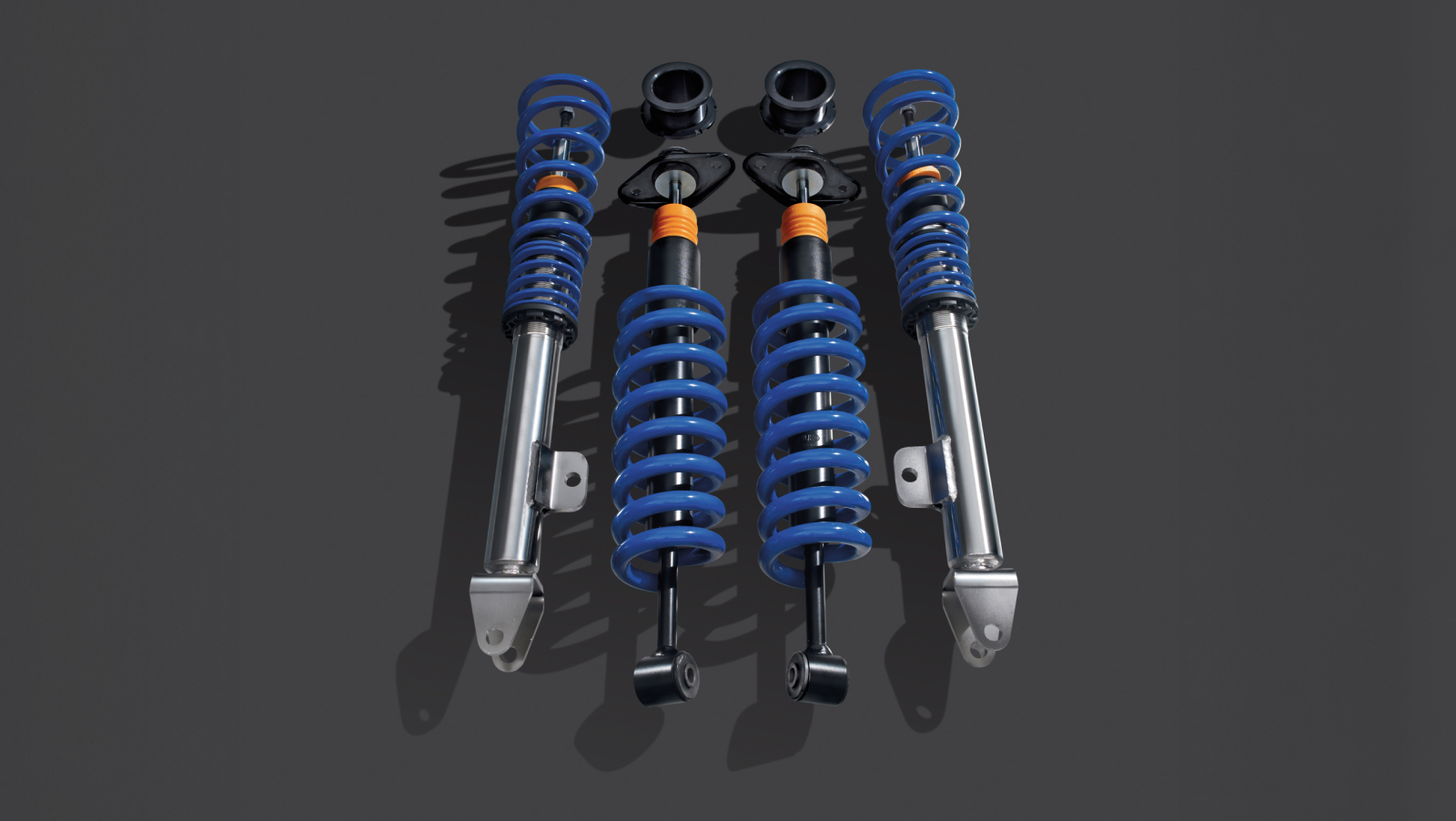
How Long Should Shocks and Struts Last?
Chrysler, Dodge, Jeep or Ram Brand vehicle shocks and struts will typically last 50,000 – 100,000 miles or up to 10 years depending on how they’ve been driven and maintained. Regular inspection of shocks, struts and all suspension components should begin at 20,000 miles.
Shocks and struts stabilize your vehicle, absorbing bumps and keeping your tires in contact with the road, helping you maintain control. Other suspension components such as control arms, ball joints, tie rods, bushings and stabilizer bars work together to maintain your rolling/steering geometry, helping it operate as smoothly and efficiently as possible.
What Can Shorten Shock or Strut Life?
- Rough roads, potholes and/or gravel
- Heavy winter road salt
- Heavy payload and/or towing
- Off-road driving
How Can I Check My Shocks and Struts, and When Should I Replace Them?
Replace shocks or struts if you experience:
- Excessive bouncing – bounce test
- Park on level ground
- Push down hard on a safe spot at one corner of the vehicle (bumper, etc.) and release
- A healthy shock/strut will allow the car to rise and settle back to its normal position in one or two bounces.
- Nose-diving while braking
- Shaking steering wheel, clunking or squeaking when going over bumps
- Excessive roll or lose feel when turning
- Fluid leaks
- Uneven tire wear
Can I Replace My Own Shocks and Struts?
While many people replace their own shocks, the overwhelming majority prefer to have a professional perform this type of service. Replacing struts is more complex. It can be done but requires knowledge/experience disassembling the front wheel/brake assembly (often with extremely rusted-stuck bolts), the use of a spring compressor and a torque wrench to assemble all the components again to the correct specifications.
You should always get a wheel alignment after replacing front struts.
Serpentine Belt
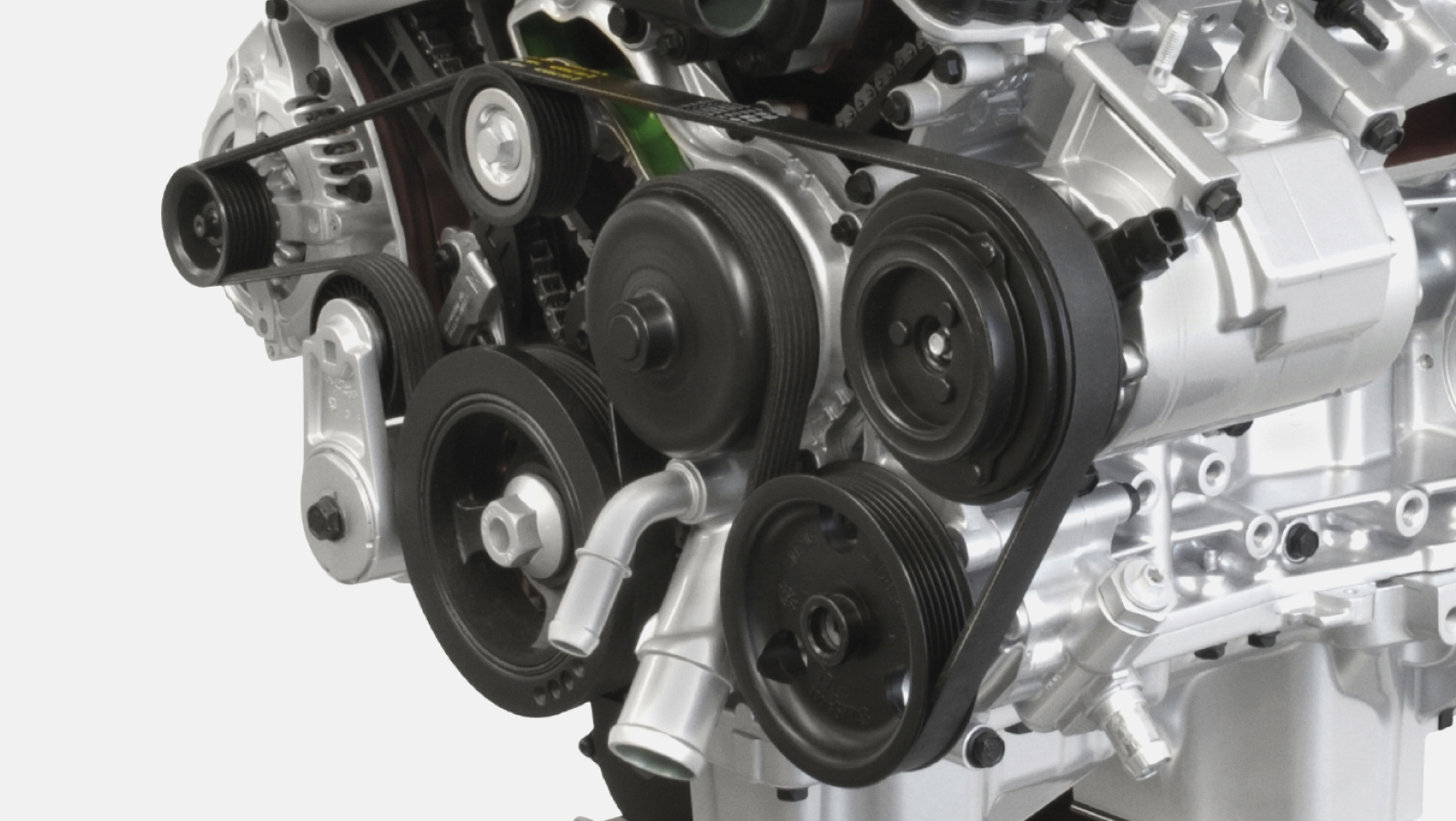
When Should I Check My Serpentine Belt?
For older vehicles, it’s a good idea to check your serpentine/accessory drive belt annually or every 30,000 miles.
Replacement:
- For older vehicles, you should plan on replacing them around 60,000 – 100,000 miles
- For newer vehicles, around 10 – 15 years or 150,000 miles
Your serpentine belt wraps around pullies to drive multiple components in your engine: alternator, power steering pump, water pump and air conditioning compressor. If your serpentine belt breaks, none of those will continue to function, causing overheating, loss of power steering assistance and electrical power. And since a serpentine belt is relatively inexpensive, it’s best to replace it at the first sign of wear.
What Are Some Signs You Need to Replace Your Serpentine Belt?
- Rib chunking (one or more ribs have separated from the belt body)
- Cracks running along length of belt
- Frayed cords
- Hard shiny surface called glazing
- Screeching, squealing or chirping noise caused by slipping
- Burning rubber smell
Battery
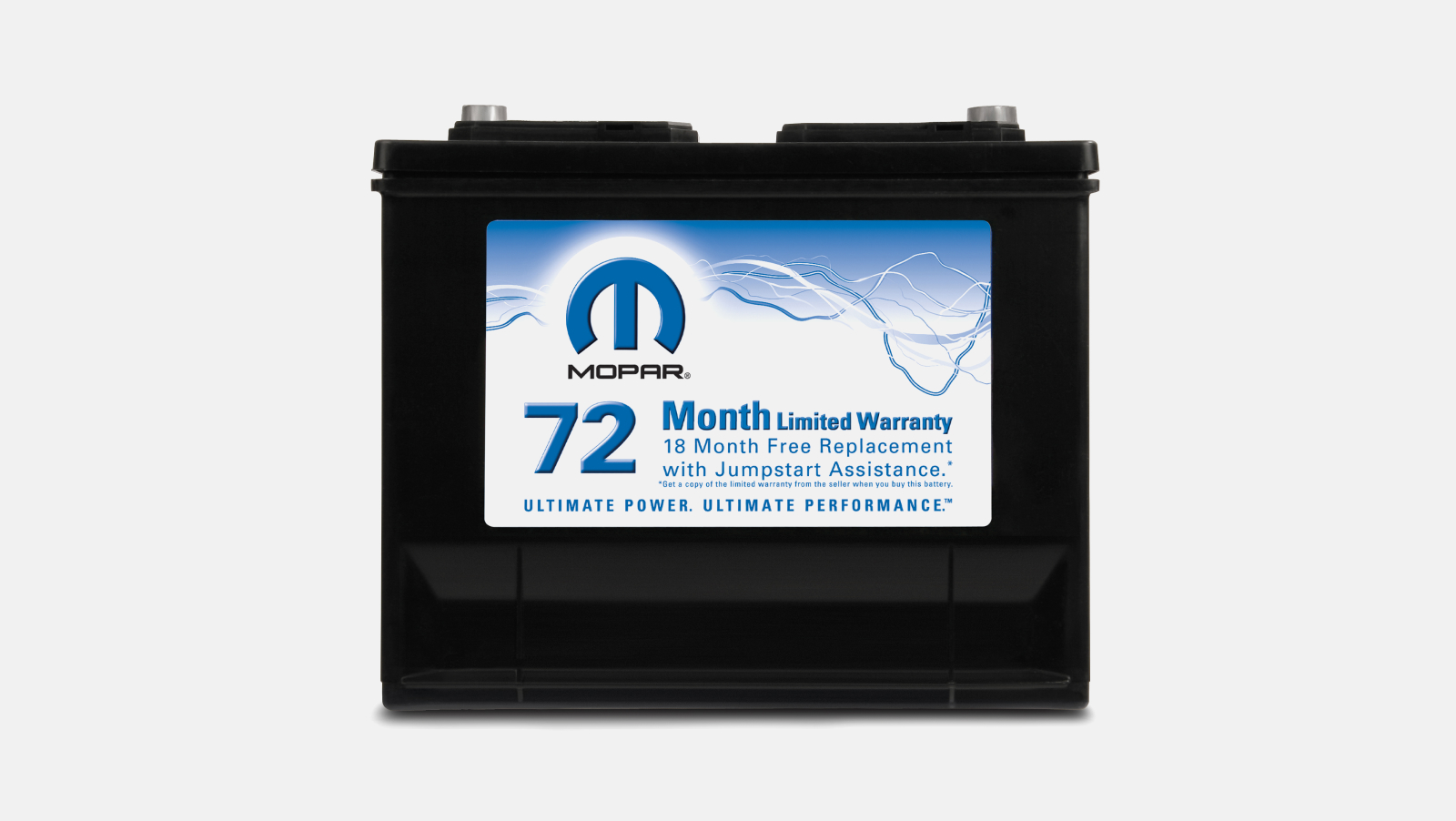
When Should I Replace My Battery?
- An older aftermarket battery may only last 3 – 5 years
- A new Mopar Battery from the factory may last up to 15 years/150,000 miles
- Check the date on the battery
Your battery provides power to start your engine, turn on lights, radio, wipers, etc. Your alternator converts energy from the engine to recharge the battery. While newer sealed AGM or lithium-ion batteries do not require maintenance (other than cleaning terminals when necessary), older flooded lead-acid batteries may require checking water levels every 3 – 4 months and topping off.
What Are Some Signs You May Need to Replace Your Battery?
- Slow cranking when starting or need for jumper cables to start it
- Dimming/flickering headlights and other electrical issues
- Telltale warning instrument panel light
- Swollen battery case or corrosion on the terminals
If you experience any of these symptoms, it’s important to have your battery and/or alternator tested to make sure that the alternator is charging the battery properly. It’s possible that you may need to replace the alternator instead of, or with the battery.
Warning: Battery fluid is a corrosive acid solution and can burn or even blind you. Do not allow battery fluid to contact your eyes, skin or clothing. Do not lean over a battery when attaching clamps. If acid splashes in eyes or on skin, flush the area immediately with large amounts of water.
Warning: Battery gas is flammable and explosive. Keep flame or sparks away from the battery. Do not allow cable clamps to touch each other.
Pro Tip: Your Chrysler, Dodge, Jeep and Ram dealer can check your battery during service and replace it, if necessary, with a high-quality O.E. Mopar Battery.
When to Choose Professional Mopar Service

Your local Chrysler, Dodge, Jeep or Ram dealer is always ready to help using Mopar original equipment manufacturer (OEM) parts to ensure your vehicle will continue to provide the best power, performance and durability you’ve come to expect.
Final Thoughts: How to Keep Your High-Mileage Vehicle Running Strong
A well-maintained high-mileage vehicle can deliver years of reliable performance. The key is:
- Staying ahead of maintenance
- Monitoring early warning signs
- Using high-quality Mopar Parts
Check the Mopar Blog for more in-depth articles on many of these to come.
Warning: Working on a motor vehicle can be dangerous. Perform only services you are qualified for and have proper equipment to complete safely.
Warning: You can be badly injured working on or around a motor vehicle. Perform only service work for which you have the knowledge and the right equipment. If you have any doubt about your ability to perform a service job, take your vehicle to a competent mechanic.
Warning: Failure to properly inspect and maintain your vehicle could result in a component malfunction and affect vehicle handling and performance. This could cause an accident.